Thursday, September 30, 2010

FLU VACCINE FOR 3YEARS AND OLDER HAS ARRIVED!!

We have received our flu vaccines for children 3 years old and older. It is recommended
that all children receive the flu vaccine annually. If you would like your child to receive this
vaccinge please call the office to schedule an appointment. We will also vaccinate parents
and/or grandparents for a self pay cost of $30. Call to get your family scheduled!

Thursday, September 9, 2010

FLU VACCINE FOR CHILDREN 6MOS-3YRS OLD HAS ARRIVED

Flu season is approaching!!

We have received our flu vaccine for children ages 6 months to 3 years old.
If you would like your child to receive this vaccine please call the office
to schedule an appointment.

Monday, August 2, 2010

Flumist has arrived!!

The 2010-2011 flu season is approaching. We have recieved our Flumist vaccines. This vaccine is a nasal spray for healthy children age 2 and up. To see if this vaccine is appropriate for your child and/or to schedule an appointment please call the office. We have not yet recieved our flushots for this season but anticipate arrival late August or September please check back here for further updates.
Thank you

Thursday, June 24, 2010

INSURANCE CARDS

This is just a friendly reminder to our patients that is very important to bring your most recent insurance card to each visit. Many insurance carriers have very brief timely filing limits which is why we must bill to the correct insurance the first time. Thank you for your cooperation.

Friday, March 26, 2010

A Great Book for Stretching Excercises

-
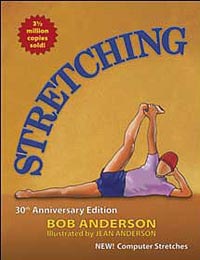
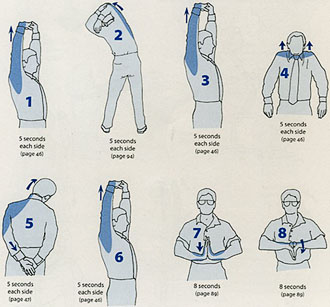
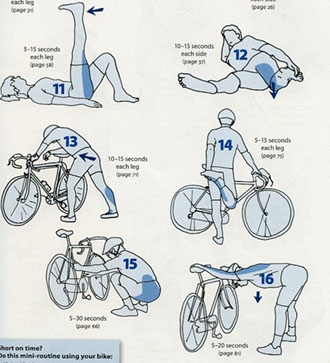
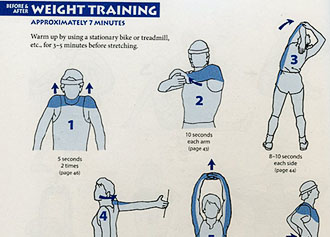
This is a wonderful and cheap paperback that has muscle group-specific exercises (how do I stretch my hamstrings?) and exercise-specific stretches as well (what do I do for soccer?). If you are tight or having muscle pains from sports (or aging, in my case) this book could help.

Stretching

stretching1sm.jpg

I haven’t encountered any source on this subject as broad, accessible, and easily applied as Bob Anderson’s classicStretching, a patient and friendly stand-in for my eight-grade P.E. teacher.

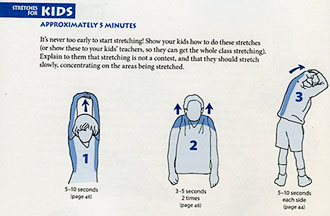
The 30th anniversary edition of this guidebook came out recently, with even more stretches and illustrations, and it’s easily the most comprehensive work on the subject. I love the activity-specific sections: cyclists, for instance, are shown stretches that not only address the muscle groups made tight and tense by our specific sport, but the stretches geared toward bike riders even include a bicycle to be utilized as a support. Activities from weightlifting to computer using get their own sections, too.

Organizationally, Stretching shines. Tight neck? Rigid shoulders? Thumb through to your proscribed routine and get to work. With minimal flexibility but a willingness to make an effort, almost anyone can use this book to become more limber, healthier.

-- Elon Schoenholz

Stretching: 30th Anniversary Revised Edition
By Bob Anderson, illustrations by Jean Anderson
2010, 240 pages
$14

Available from Amazon

Why Stretch?
- Reduce muscle tension and make the body feel more relaxed
- Help coordination by allowing for freer and easier movement
- Make strenuous activities like running, skiing, tennis, swimming, and cycling easier because it prepares you for activity; it's a way of signaling the muscles that they are about to be used.

*

stretching2.jpg

*

stretching3.jpg

*

stretching4.jpg

*

stretching5.jpg


Tuesday, February 9, 2010

And Now the Wall Street Journal Weighs In on Autism

-

Lancet Retracts Study Tying Vaccine to Autism


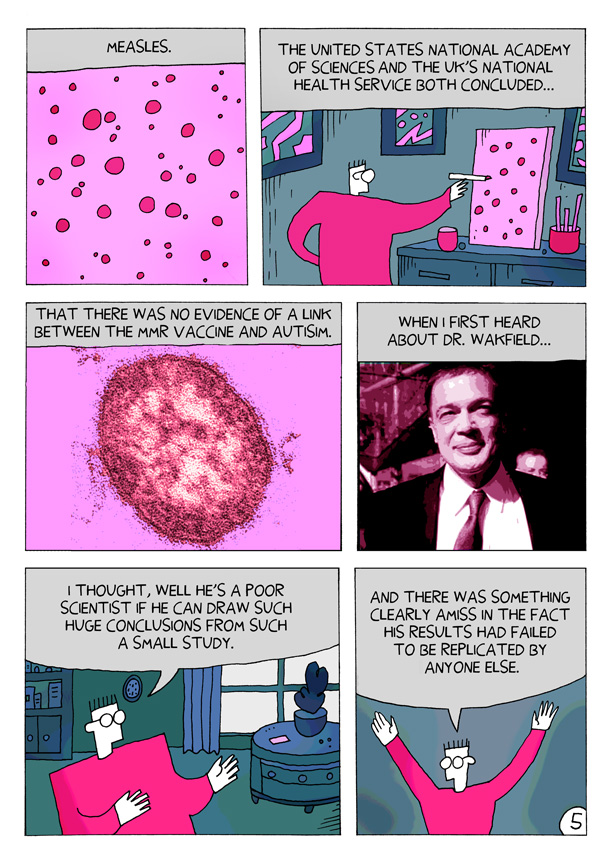
The study that first suggested a link between vaccines and autism and spurred a long-running, acrimonious debate over the safety of vaccines has been retracted by the British medical journal that published it. The withdrawal supports the scientific evidence that vaccinations don't cause autism, but isn't likely to persuade advocacy groups that believe in a link.

A new autism study shows clusters of high autism rates in parts of California. WSJ's health columnist Melinda Beck joins Simon Constable on the News Hub with more.

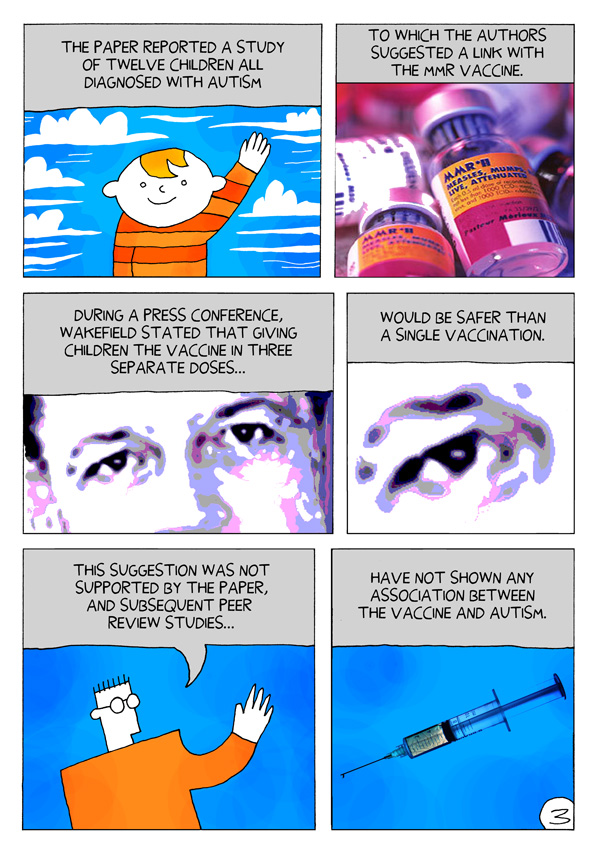
The 1998 study of 12 children triggered worry among British parents that the measles-mumps-rubella vaccine caused autism, and many decided not to immunize their children against measles, according to Richard Horton, editor in chief of the Lancet, which issued the retraction Tuesday. He called the study the "starting pistol," though not the only cause, of the controversy.

Concern about the safety of vaccines, particularly regarding the preservative often used, thimerosal, which contains mercury, spread to the U.S. as well. Research has shown that as many as 2.1% of U.S. children weren't immunized with the MMR vaccine in 2000, up from 0.77% of children in 1995, according to a 2008 study published in Pediatrics.

"This retraction by the Lancet came far too late," said Paul Offit, chief of infectious diseases at Children's Hospital of Philadelphia and a coinventor of a vaccination for babies against a gastrointestinal virus, Rotateq, that is marketed by Merck & Co. "It's very easy to scare people; it's very hard to unscare them."

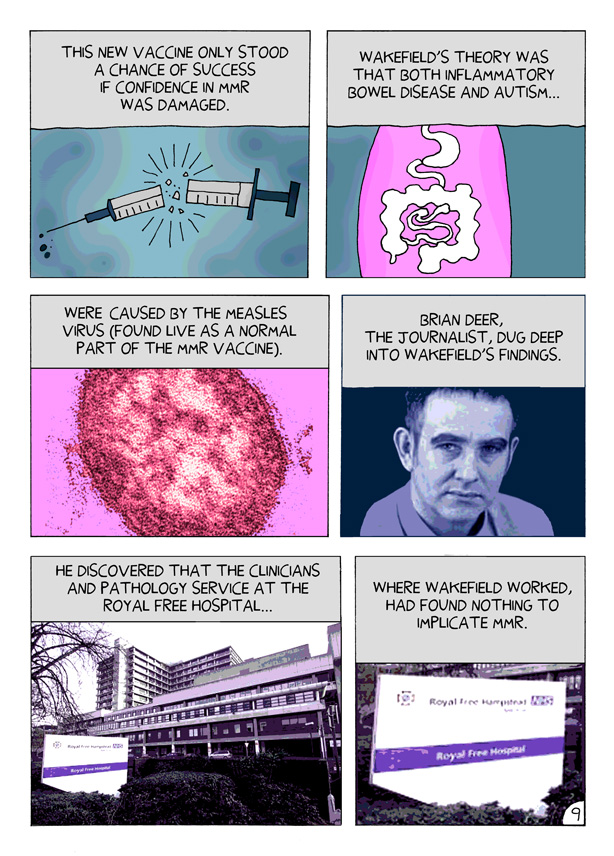
A widely cited 2004 statistical review of existing studies by nonprofit health-information provider the Institute of Medicine, which traced the vaccine theory back to the Lancet study, concluded there was no causal link between the MMR vaccine and autism. Some autism activist groups, however, continue to advocate against vaccinations for children, despite the lack of scientific evidence for such a link.

"Certainly the retraction of this paper doesn't mean that MMR doesn't cause autism and it's all a farce," said Wendy Fournier, president of the National Autism Association. It is "possible" that the MMR vaccine causes autism, she said, but "the science is not there in terms of the mechanism." The concern is that measles virus has been found in children's intestines after vaccination, said Ms. Fournier.

"No one is anti-vaccine," she said. "It's a matter of having vaccines be as safe as they can."

A study published in 2008 by researchers from several universities and the Centers for Disease Control and Prevention examined children with gastrointestinal problems who had autism compared with those who didn't have autism. They concluded there wasn't any evidence that the vaccine was responsible for autism.

[0202vaccine]Associated Press

Ten of the 13 authors of the original paper, all of whom were researchers at the Royal Free Hospital and School of Medicine in London, partially retracted the paper in 2004. However, the first author, Andrew Wakefield, didn't. Dr. Wakefield, who is now at the Thoughtful House Center for Children in Austin, Texas, didn't immediately return phone calls seeking comment.

"Many consumer groups have spent 10 years waging a campaign against vaccines even in the face of scientific evidence," said Dr. Horton of the Lancet. "We didn't have the evidence back in 2004 to fully retract the paper but we did have enough concern to persuade the authors to partly retract the paper."

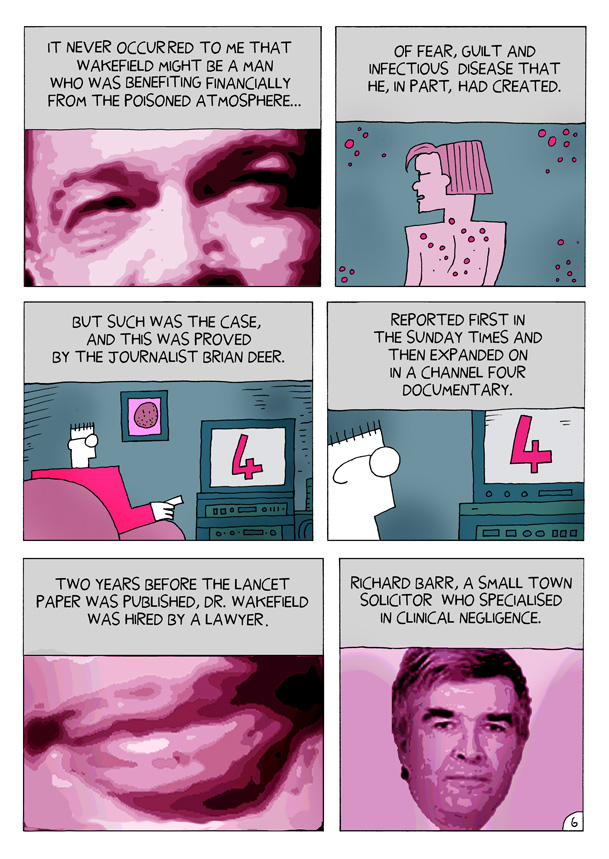
The Lancet decided to issue a complete retraction after an independent regulator for doctors in the U.K. concluded last week that the study was flawed. The General Medical Council's report on three of the researchers, including Dr. Wakefield, found evidence that some of their actions were conducted for experimental purposes, not clinical care, and without ethics approval. The report also found that Dr. Wakefield drew blood for research purposes from children at his son's birthday party, paying each child £5 (about $8).

The Lancet's Dr. Horton said the journal was particularly concerned about the ethical treatment of the children in the study, and that the children had been "cherry-picked" by the study's authors rather than just showing up in the hospital, as described in the paper.

The authors "did suggest these children arrived one after another and this syndrome was apparent, which does lead you to think this is something serious," said Dr. Horton.

"I hope this brings closure to this controversy," said Fred Volkmar, an autism researcher and professor of psychiatry at the Yale Child Study Center who wasn't involved in the Lancet study. "My fear, unfortunately, is that this won't totally allay the fear of all parents."

In the 1998 paper, Dr. Wakefield and his colleagues described 12 children with gastrointestinal problems. Eight experienced symptoms that were thought to be related to the MMR vaccine, according to their parents or a doctor, and nine of the 12 children exhibited autistic behaviors.

Dr. Wakefield has been outspoken about his concern about the measles vaccine. He has continually pushed the view that the vaccine caused autism, said Greg Poland, professor of medicine and infectious diseases at the Mayo Clinic and director of the vaccine research group in Rochester, Minn.

"With the retraction, the hypothesis that he put forward has been debunked," said Dr. Poland.

—Peter Loftus contributed to this article.

Write to Shirley S. Wang at shirley.wang@wsj.com

Friday, February 5, 2010

More About Autism and Vaccines

-
This is from the British government and it's equivalent to the American Academy of Pediatrics. They, too, in addition to the AAP, the World Health Organization and the American Committee on Immunization Practices have concluded that vaccines are not only safe but that they CATEGORICALLY DO NOT cause or contribute to autism, which is KNOWN to have genetic causes.

-

Study Linking Vaccine to Autism Broke Research Rules, U.K. Regulators Say

Nicky Broyd

Physician Rating: 4.5 stars ( 17 Votes )
Rate This Article:
INFORMATION FROM INDUSTRY
Influenza: Improving Outcomes
How can a rapid test for influenza impact medical outcomes?
Learn more about clinical and economic outcomes

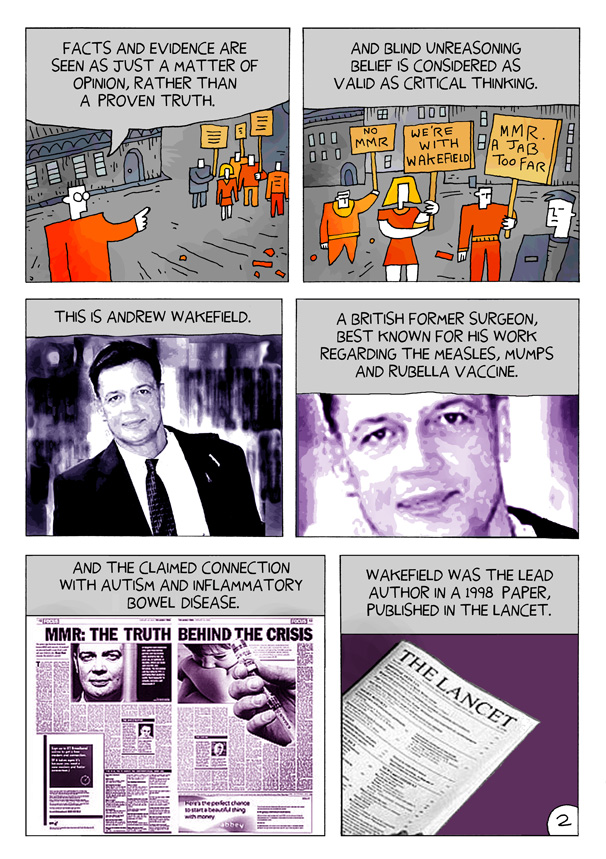
February 2, 2010 — The British doctor who led a study suggesting a link between the measles/ mumps/rubella (MMR) vaccine and autism acted "dishonestly and irresponsibly," a U.K. regulatory panel has ruled.

The panel represents the U.K. General Medical Council (GMC), which regulates the medical profession. It ruled only on whether Andrew Wakefield, MD, and two colleagues acted properly in carrying out their research, and not on whether MMR vaccine has anything to do with autism.

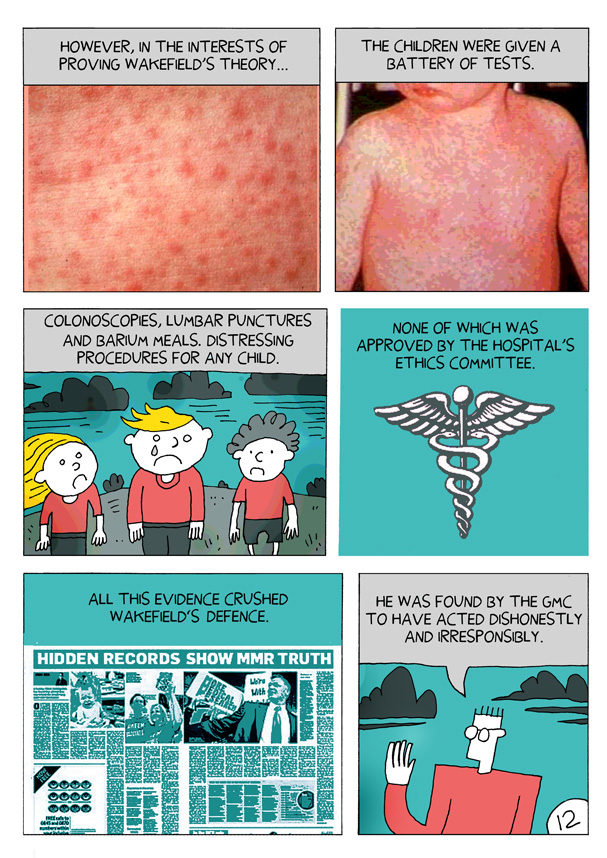
In the ruling, the GMC used strong language to condemn the methods used by Wakefield in conducting the study.

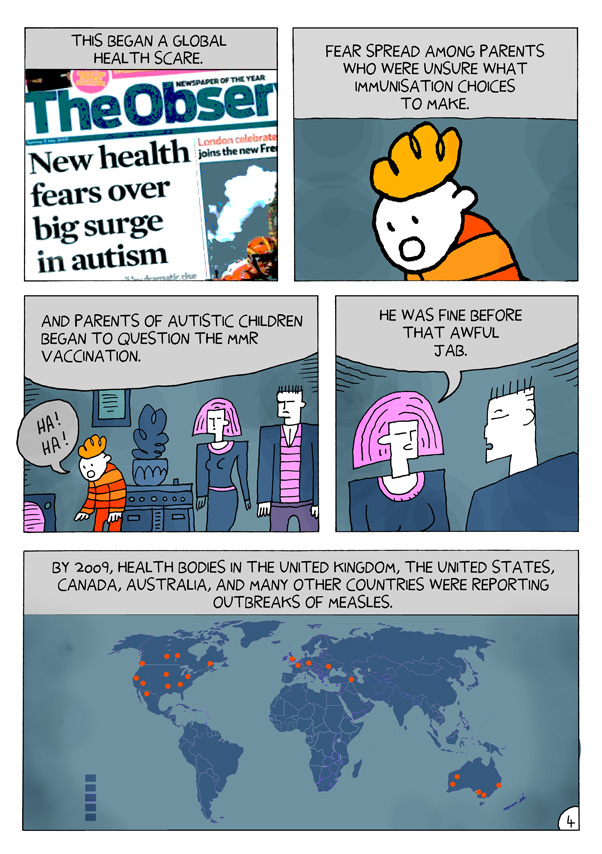
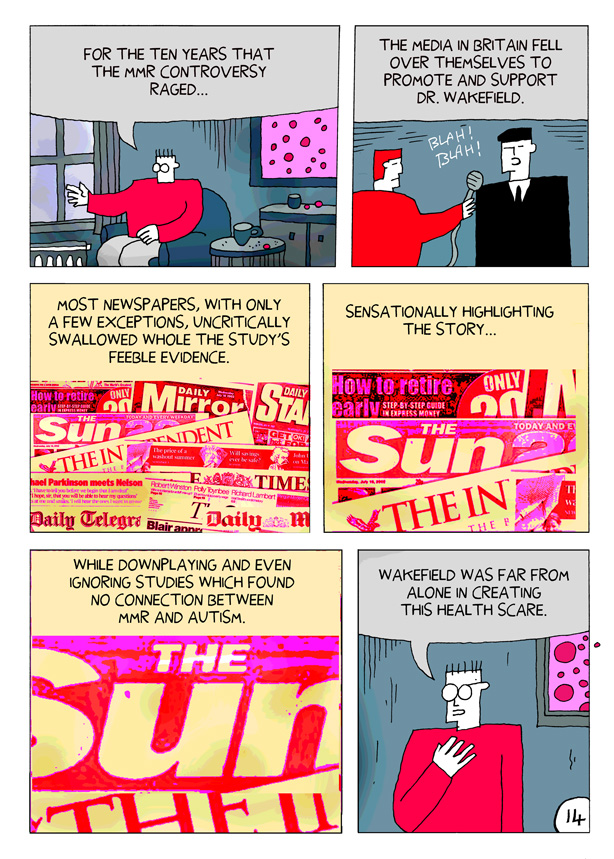
In the study, published 12 years ago, Wakefield and colleagues suggested there was a link between the MMR vaccine and autism. Their study included only 12 children, but wide media coverage set off a panic among parents. Vaccinations plummeted; there was a subsequent increase in U.K. measles cases.

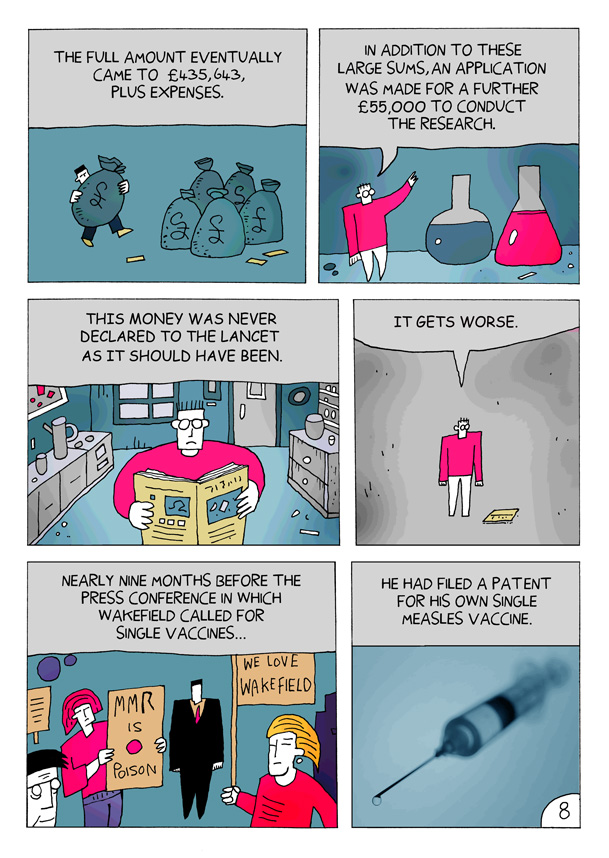
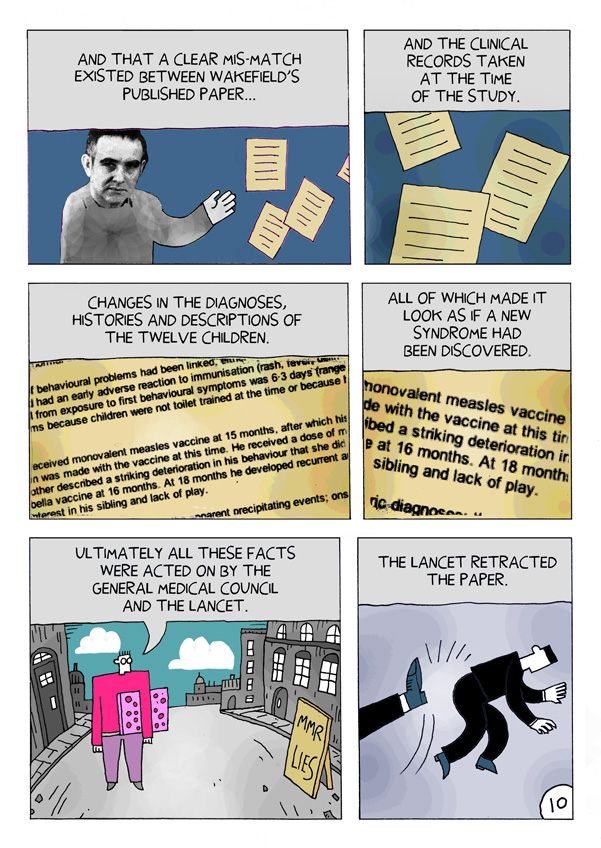
In 2004, 10 of the study's 13 authors disavowed the findings. The Lancet, which originally published the paper, retracted it after learning that Wakefield -- prior to designing the study -- had accepted payment from lawyers suing vaccine manufacturers for causing autism.

Fitness to Practice

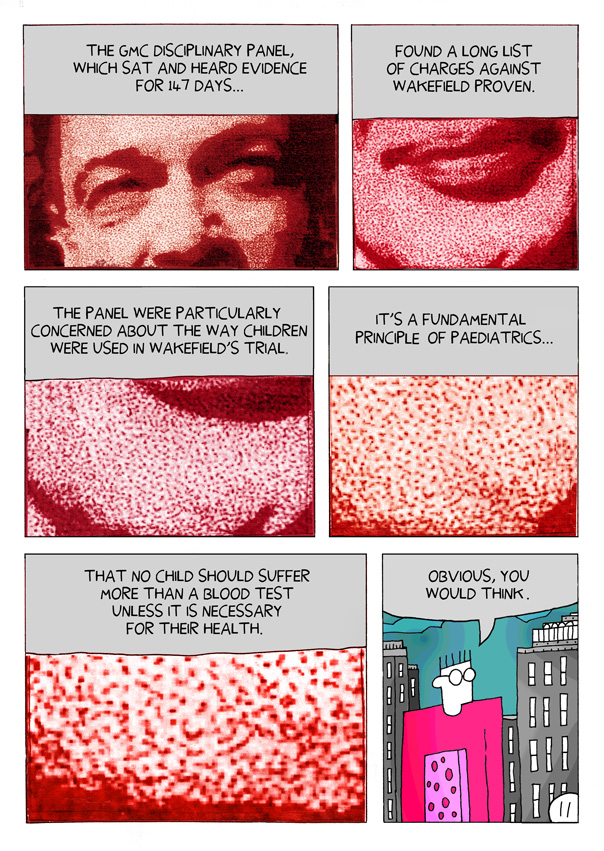
The GMC's Fitness to Practise panel heard evidence and submissions for 148 days over two and a half years, hearing from 36 witnesses. It then spent 45 days deciding the outcome of the hearing. Besides Wakefield, two former colleagues went before the panel -John Walker-Smith and Simon Murch. They were all found to have broken guidelines.

The disciplinary hearing found Wakefield showed a "callous disregard" for the suffering of children and abused his position of trust. He'd also "failed in his duties as a responsible consultant."

He'd taken blood samples from children attending his son's birthday party in return for money, and was later filmed joking about it at a conference.

He'd also failed to disclose he'd received money for advising lawyers acting for parents who claimed their children had been harmed by the triple vaccine.

Not Over Yet

The GMC will next decide whether Wakefield and his former colleagues committed serious professional misconduct. That could lead to being struck off the medical register. That decision may not be taken for several more months.

Wakefield wasn't in the hearing, but outside the GMC offices he told reporters, "Naturally I am extremely disappointed by the outcome of today's proceedings. The allegations against me and against my colleagues are both unfounded and unjust." He continued, "I invite anyone to examine the contents of these proceedings and come to their own conclusion."

Wakefield was cheered by a group of parents outside the hearing who are still sure he is right, even though his findings have been widely discredited.

"It remains for me to thank the parents whose commitment and loyalty has been extraordinary," he said. "I want to reassure them that science will continue in earnest."

Wakefield now works in the U.S. at an autism center called Thoughtful House, which he helped found. In a statement on its web site the center states that it is "disappointed" by the GMC decision, believing the charges against the three doctors were "unfounded and unfair."

On the web site's "frequently asked questions" the center asks: "Has Dr. Wakefield been accused of any breach of medical ethics while serving as the Executive Director of Thoughtful House?" The answer is "Absolutely not."

Safety of MMR Vaccine

The government and medical experts continue to stress that the MMR vaccine is safe.

The MMR triple vaccine was licensed in the U.S. in 1971 and first used in the U.K. in 1988. Over 100 countries now use it, and it is estimated that more than 500 million doses have been administered.

At the peak of the MMR scare in 2002, there were 1,531 articles about MMR in the U.K. national press; in 1998 there had been just 86.

Between 2001 and 2003, U.K. opinion polls showed that the percent of people believing the MMR vaccine to be safe dropped from over 70% to just over 50%.

U.K. Health Protection Agency figures show measles incidence increased dramatically following the drop in the number of children being vaccinated. The number of confirmed cases between 2007 and 2008 was 2,349, roughly equal to the combined total for the previous eleven years.

SOURCES:

U.K. General Medical Council.

General Medical Counsel, "Fitness to Practise Panel Hearing, 28 January 2010."

Andrew Wakefield, MD.

House of Commons Library Measles and MMR Statistics.

Thoughtful House web site.

BMJ web site.

BBC News online

Wednesday, February 3, 2010

One More Nail in the Coffin of Autism and Vaccines

-
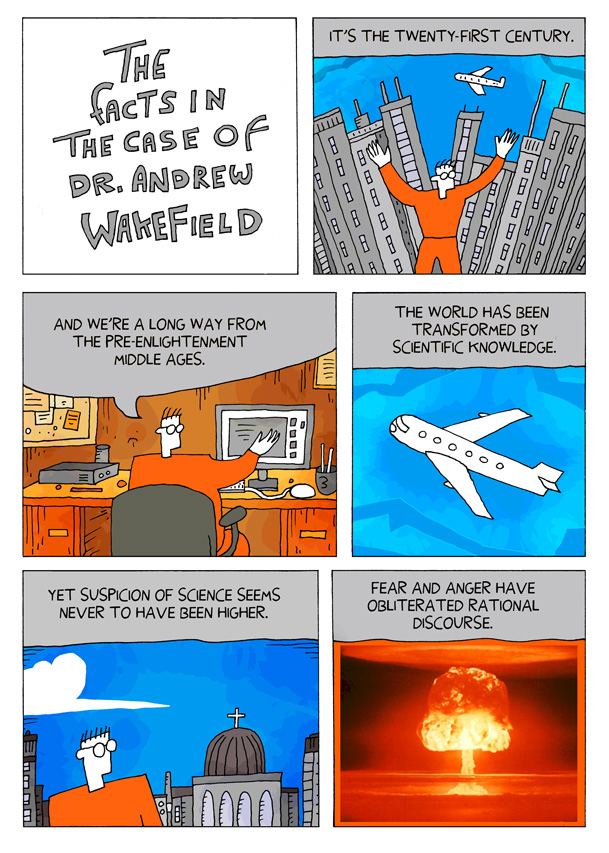
In what is rapidly becoming a true non-issue, at least among the people that study this for a living, the British journal Lancet has retracted the findings of the ORIGINAL study that they themselves published over 10 years ago that seemed to link autism with vaccines. They now state unequivocally that this study was flawed by the intentional use of falsified numbers and have withdrawn their support for both the study itself and the now disgraced principal author, Dr Andrew Wakefield. Read on.
-

From WebMD Health News

Study Linking Autism to Vaccine Retracted

Daniel J. DeNoon

February 2, 2010 — The venerable British medical journal The Lancet has retracted a 1998 study suggesting a link between autism and childhood vaccination with the measles-mumps-rubella MMR vaccine.

The Lancet tells WebMD that it has retracted "10 or 15" studies in its 186-year history. The retraction follows the finding of the U.K. General Medical Council (GMC) that says study leader Andrew Wakefield, MD, and two colleagues acted "dishonestly" and "irresponsibly" in conducing their research.

The Lancet specifically refers to claims made in the paper that the 12 children in the study were consecutive patients that appeared for treatment, when the GMC found that several had been selected especially for the study. The paper also claimed that the study was approved by the appropriate ethics committee, when the GMC found it had not been.

"We fully retract this paper from the published record," The Lancet editors say in a news release.

The retraction means the study will no longer be considered an official part of the scientific literature.

BMJ, formerly known as the British Medical Journal, has competed with The Lancet since 1840. BMJ editor Fiona Godlee says she welcomes the Lancet retraction.

"This will help to restore faith in this globally important vaccine and in the integrity of the scientific literature," Godlee says in a news release.

In 2004, 10 of Wakefield's 13 co-authors disavowed the findings of the 1998 study. Although the study never claimed to have definitively proven a link between the MMR vaccine and autism, sensational media reports ignited a public panic. MMR vaccinations fell dramatically.

More rigorous studies have found no link between autism and the MMR vaccine. Last year, the U.S. "vaccine court" rejected U.S. lawsuits claiming that there was a plausible link between the vaccine and autism.

Wakefield continues to proclaim his innocence and defends his earlier work. He now resides in Texas, where he is executive director of an alternative medicine center for autism treatment and research.

SOURCES:

The Lancet, published online Feb. 2, 2010.

Monday, January 25, 2010

New Year Insurance Changes

Dear Families and Friends,
I hope everyone enjoyed a safe and joyous holiday season. Now that the holidays are behind and the kids are back to school, it's likely that many of you will be in the office for sick visits and of course your yearly annual well child check ups.

The new year brings for many of our families changes in either insurance carrier or simply changes of your policy withing the same carrier. Many employers have moved from traditional HMO and PPO plans to High deductible , HSA plans where deductible is the part the patient owes the doctor's office. I know from experience these changes can be confusing, and I am happy to help answer any questions you may have regarding insurance billing. With that said, it is ultimately the patient/parents responsibility to know what is a covered service or is not a covered service on your individual plans. Finally, please remember to bring your newest insurance card with you to each visit and to be mindful of changes to your individual policy. Thank you in advance for cooperation.
Sincerely,
Kristin Silver
Office Manager

Thursday, January 21, 2010

Developmental Milestones-Possible Red Flags

Most parents wonder from time to time if their child is developing “normally”. The American Academy of Pediatrics and other national groups have well established guidelines for development, but keep in mind they are just that—guidelines. There can be a wide range of normalcy around these milestones, particularly when you take into consideration prematurity and illness states.
As your healthcare providers, it is important for us to regularly assess your young child for age appropriate skills and behaviors. As long as she/he is continuing to learn and do new things, all should be well!
Listed below are some possible red flags for delayed development. It is important to recognize these possible signs in a timely manner and have the child evaluated by a developmental specialist or early intervention agency. Locally, Early Steps or Face-Autism, Inc. provides free screening for children less than 3 years of age. Children over 3 years can be seen through the school system or privately by Neurology or Psychiatric Services.

Possible Red Flags

The child:
> Does not respond to name by12 months of age or to parent’s smile or other facial expressions
> Doesn’t snuggle when picked up, but arches the back instead
> Does not point to objects to show interest (like the fire truck going by) by 14 months
> Doesn’t play pretend (“feeding dolly” or “driving” the car) by 18 months of age
> Doesn’t bring objects to “show” to parents
> Avoids eye contact and would rather play alone
> Doesn’t say single words by 15 months or 2-word phrases by 24 months
> Repeats exactly what others say without understanding its meaning (parroting or echolalia)
> Doesn’t start or can’t continue a conversation
> Seems to be unaware when others are talking to them but responds to other sounds like a car horn
> Does repetitive behaviors like rocking, spinning, swaying, twirling of fingers or flapping hands (esp. when excited or upset)
> Likes routines, order and rituals
> Doesn’t show concern or empathy for others

If you have any concerns about your child or grandchild, please bring it to our attention so we can assess and make appropriate referrals.